
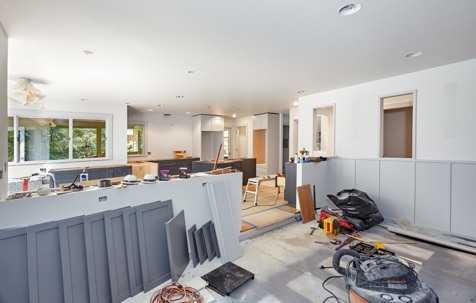
You plan a fresh new bathroom or kitchen, then halfway through the remodel you hear the words every Iowa City homeowner dreads, “We have a plumbing problem behind the wall.” Suddenly the budget jumps, the schedule slips, and the beautiful finishes you picked out are at risk. That sinking feeling is exactly what most people want to avoid when they search for remodeling advice.
In our experience, those nightmare scenarios rarely come out of nowhere. They usually start with small decisions at the planning stage, especially around plumbing, that seem harmless at the time. On paper, moving a toilet a couple of feet or adding a kitchen island sink looks simple. In a real Iowa City home with older pipes, tight spaces, and local inspections, those choices can trigger a chain of expensive surprises.
We are Ackerman Plumbing, a family-owned plumbing company that has been working in Iowa City and nearby communities for more than two decades. Our fully licensed plumbers spend a lot of time inside kitchen, bath, and basement remodels, and we are often the ones called when something has gone wrong behind the walls. In this guide, we want to share the most common remodeling mistakes we see in Iowa City homes and, more importantly, how you can avoid them.
Why Remodeling Mistakes Hit Harder in Iowa City Homes
Iowa City has a wide mix of homes. In many neighborhoods, you will find older houses with original plumbing alongside newer builds and homes that have been remodeled several times by different owners. That mix creates a perfect storm for hidden plumbing issues. We routinely open walls in older parts of town and find galvanized supply lines, cast iron drains, or past DIY work that was never brought up to current standards.
These existing conditions matter a lot once you start moving fixtures, adding bathrooms, or finishing a basement. A plan that looks fine in a newer house with modern piping can be a problem in an older home with tired lines and questionable connections. For example, tying a new walk-in shower into an old drain stack without evaluating the pipe’s condition can lead to slow drains and leaks that show up long after the tile is in place.
Local permitting and inspection also play a big role. Significant plumbing changes in a remodel, such as moving fixtures or adding new ones, typically require permits and inspections. Inspectors look not just at the shiny new fixtures, but at what is happening behind the walls. If your contractor or plumber cuts corners or tries to reuse undersized or improperly vented lines, problems often get caught at rough-in or final inspections. That is when homeowners are told that walls or ceilings need to be reopened, which turns a small mistake into a major headache.
Underestimating Plumbing in the Remodel Budget
One of the biggest remodeling mistakes we see in Iowa City is underestimating how much plumbing work actually needs to be done. Homeowners and even some general contractors often budget for what they can see, such as a new faucet, a modern shower head, or a relocated sink. They do not always budget for what it takes to supply and drain those fixtures safely and reliably, especially when existing pipes are old or in poor condition.
A common scenario looks like this. A homeowner plans a bathroom remodel, assuming the plumbing will only involve swapping fixtures and maybe moving the shower. Once the walls and floor are opened, we discover corroded galvanized lines that are almost closed inside with buildup, or an old drain with hairline cracks. At that point, the homeowner has two choices, put new fixtures on top of failing infrastructure and hope for the best, or invest in replacing those lines while everything is open. Either way, the original budget suddenly looks very optimistic.
The best way to avoid budget shock is to plan for plumbing realistically. We recommend building a specific plumbing contingency into your remodel budget and having a licensed plumber review your plans before you finalize bids. During that review, we can point out where the existing lines are likely to need replacement, what moving certain fixtures will involve, and where a small layout tweak could save significant plumbing labor. Our focus on long-lasting solutions means we will help you weigh the cost of updating aging pipes now against the risk of leaks and failures behind brand-new finishes later.
Changing Layout Without Checking the Plumbing First
Changing the layout is where many Iowa City remodels run into trouble. On a design drawing, shifting a toilet a couple of feet, rotating a tub, or adding an island sink in the kitchen looks straightforward. In the real structure of your home, those moves can be complicated or even unrealistic without major work. That disconnect between the paper plan and the physical plumbing is a classic source of frustration.
Drains depend on gravity. They need the right slope, usually a gentle drop over distance, so wastewater can move without backing up. They also need proper venting to let air move and prevent siphoning. Joists, beams, and other structural elements limit where we can run those lines. In a typical Iowa City home, floor systems and existing vent stacks do not always line up with where the new fixtures are drawn on the plan. For example, moving a toilet across the room might require opening a larger section of floor, rerouting vents through walls or ceilings, and possibly reframing to maintain structural integrity.
Kitchens present similar challenges. Adding a sink to an island may mean running a drain and vent through the floor to tie into an existing line at the proper slope, or running a vent up through a nearby wall. If the original plan does not account for this, the island might get framed and wired before anyone realizes the plumbing path is blocked by beams or ductwork. That is when walls or ceilings that looked finished suddenly need to be cut open again.
This is why involving a licensed plumber during the design phase is so valuable. Our team, which has advanced training and years of remodel experience, can look at your layout and quickly flag which fixture moves are simple and which will require significant plumbing changes. Sometimes shifting a shower a few inches in a different direction, or keeping the toilet on the same wall, preserves the design you want while avoiding a lot of extra work. Confirming rough-in locations with us before ordering cabinets, custom showers, or fabricated countertops helps ensure that everything lines up in the field, not just on paper.
Relying on Rough Measurements Instead of Precise Plumbing Layouts
Another common remodeling mistake is trusting rough measurements instead of precise plumbing layouts. In small Iowa City bathrooms and tight basement spaces, even a one-inch error can cause big problems. We have seen toilets installed too close to sidewalls, vanities that block cleanout access, and showers where the drain does not line up with the center of the pan, all because measurements were not coordinated carefully.
Every fixture comes with manufacturer specifications that list rough-in dimensions, heights, and clearances. Toilets usually require a certain distance from the center of the drain to the finished wall, as well as side-to-side clearance so people can sit and stand comfortably. Showers and tubs have specific drain locations and recommended valve heights. When these details are guessed at or left to assumption, rough plumbing can end up in the wrong place, forcing last-minute changes to framing, tile layouts, or fixture choices.
These issues are magnified in older Iowa City homes where walls are not always perfectly straight and floor levels vary. A tight hall bathroom might already be pushing the limits of comfortable clearances. If the rough-in is off, suddenly the door does not swing past the vanity, or the toilet crowds the wall. Correcting that often involves opening newly installed drywall or moving framing, which adds both time and cost to the project.
The safest approach is to finalize your fixture selections early and make sure your plumber has the actual product specs in hand before rough-in. We coordinate exact centerlines, heights, and clearances with homeowners, designers, and cabinet suppliers so that pipes end up where they need to be the first time. Our commitment to punctual, transparent communication means we will speak up if a measurement or layout does not look workable in the field, rather than staying quiet and hoping it will somehow fit later.
Skipping Permits and Assuming “It Will Pass”
Skipping permits or treating inspections as a formality is a remodeling mistake that can come back to haunt homeowners in Iowa City. We understand why the temptation is there. Permits can feel like extra paperwork, and some people assume that as long as everything looks good on the surface, no one will ever know what is behind the walls. The reality is that plumbing systems are about health and safety, not just convenience, and local inspectors take that seriously.
When plumbing work is done without the proper permits, several risks appear. Work that does not meet current standards may function for a while, then start causing issues such as slow drains, sewer gas smells, or leaks. If you try to sell your home, a buyer’s inspector might flag unpermitted work, which can complicate or delay the sale. In some cases, the city may require that walls be opened so the work can be inspected and corrected, which is a painful process when you thought the project was already finished.
Even when permits are pulled, some contractors gamble that work which bends the rules a bit will still pass inspection. Inspectors commonly check for proper venting, accessible cleanouts, correct pipe sizing, and safe connections to existing systems. If they find problems, they can require corrections before signing off. That often means re-opening areas that were already drywalled or tiled, and rescheduling other trades, which disrupts the entire remodel timeline.
At Ackerman Plumbing, we take a different approach. Our A+ rating with the Better Business Bureau and active presence in the local community reflect our commitment to doing work that holds up under inspection and over time. We are familiar with what inspectors typically look for and build to that standard from the start, instead of gambling on what might slide through. That approach may add a bit more planning up front, but it protects you from costly do-overs and stressful surprises later.
Ignoring Old Pipes When Installing Brand-New Fixtures
Putting high-end fixtures on top of old, failing plumbing is another mistake that looks fine on day one but creates problems later. In many Iowa City homes, we still see galvanized steel supply lines and cast iron drains that have been in place for decades. These materials can corrode, build up deposits inside, and develop small cracks or thin spots that are not obvious until they are stressed by new use.
Imagine spending money on a beautiful new shower with glass doors and custom tile, but tying it into a drain line that is already partially blocked with decades of buildup. The shower may drain slowly from the start, or begin to back up after a few months, staining grout and making the new space feel older than it is. Or consider installing a modern kitchen faucet with high flow on corroded galvanized lines. You might see low pressure, discolored water, or leaks at joints that were barely holding together before.
These problems are frustrating because they feel unfair. Homeowners think, “We just remodeled, why is this happening already?” The answer is usually that only the visible parts of the system were updated. The hidden pipes carrying water to and from those fixtures were left in place, and the remodel did not address their age or condition. Once the new finishes are up, accessing those lines to replace them becomes much more disruptive.
When we work on remodels, we look beyond the visible fixtures. If we open a wall and see badly corroded supply lines or aging drains, we talk with the homeowner about the pros and cons of replacing them while the area is already exposed. Often, this is the most cost-effective time to upgrade. We also discuss ongoing protection. Through our Total Care Club, members receive regular maintenance and priority service, which helps keep new and existing plumbing working together as a system and reduces the chance of unpleasant surprises down the road.
How to Avoid These Remodeling Mistakes in Your Iowa City Home
The good news is that most of the remodeling mistakes we have talked about can be avoided with some upfront planning and the right team. Start by bringing a licensed plumber into the conversation early, ideally before you finalize layouts or sign contracts. Use that meeting to walk through your existing plumbing, discuss any known issues, and review your proposed fixture locations and counts. Ask where old lines should be replaced while walls are open and what changes will require permits and inspections in Iowa City.
If you are planning a remodel in Iowa City, we are glad to walk through your plans with you. At Ackerman Plumbing, we draw on more than two decades of local experience to help homeowners reduce costly surprises and create plumbing systems that match the quality of their new spaces. We can also talk about our Total Care Club, which provides priority service and ongoing maintenance to help protect your investment long after the remodel dust settles.
Call (319) 250-5442 to talk with our team about your Iowa City remodel.